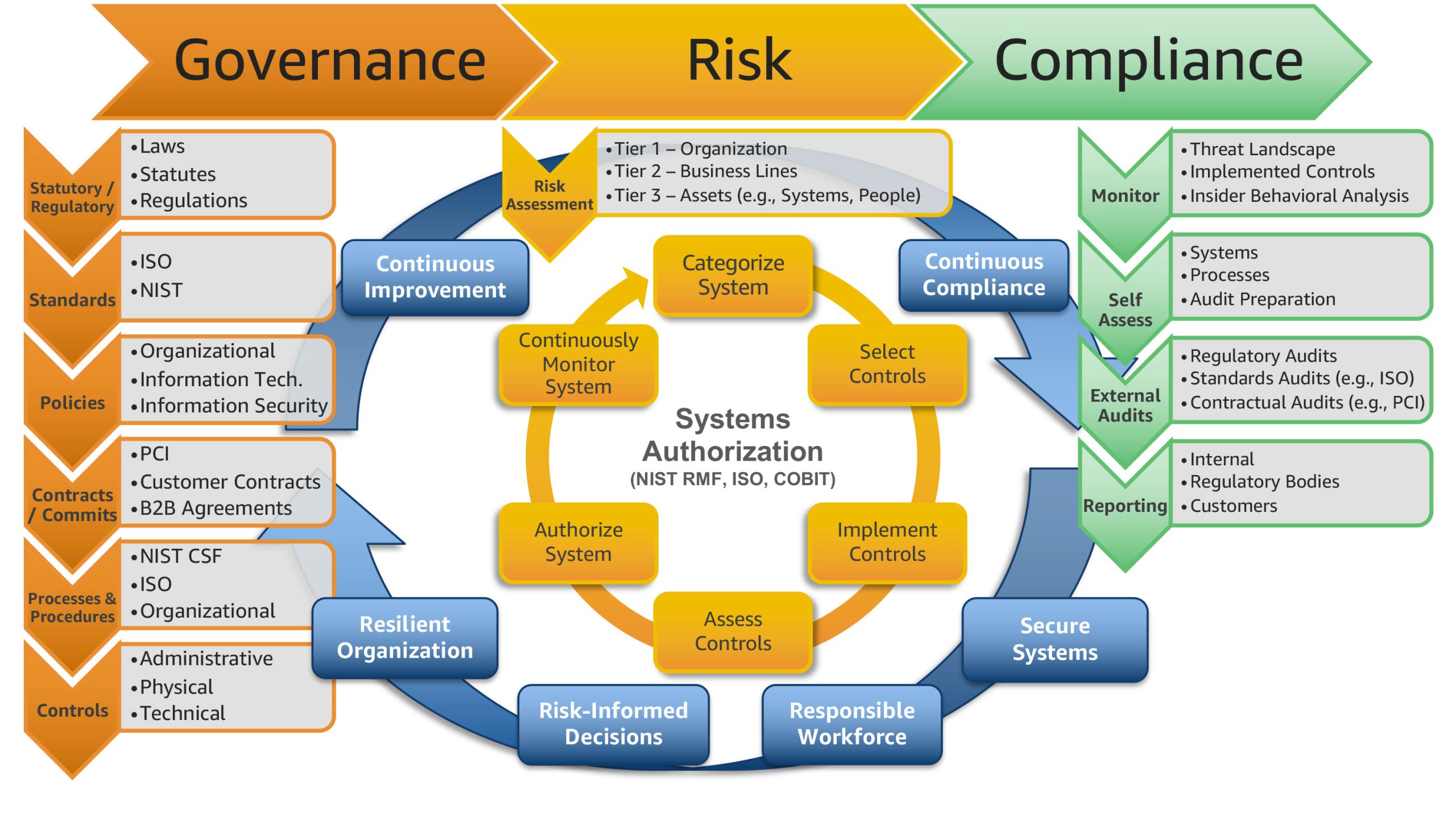
Who can afford governance when it looks like this?
Whither AI?
In the current mania, much conversation centres around the concept of “AI” governance?
Why? and what is “AI” governance? Now and in the future.
The issue is this. Even if “AI” tooling can be acceptably governed (if this can be defined) how much is this going to cost. Does the cost of governance (a “friction”) militate the use of “AI” as the benefits no longer outweigh the costs.
For example, in automated systems, an assumption might be that a given set of inputs will always generate a given set of outputs. A cake recipe when followed with fidelity will produce a cake. Is the respect of this principle a “core competence” of “AI” without significant investment in guardrails, audit etc.
The use of ISO Standards
It can be argued that a mechanism for a reasonable response to the use of new technologies is the adoption of ISO standards e.g. ISO27001 and for “AI” ISO42001, given that independent first principle analysis and deployment of requirements will be beyond the resources of most organisations.
A feature of “platform engineering” could be that compliance and governance functionality is available by default to engineers in their work.
In fact, one of the benefits of the adoption of “public cloud” platforms is the availability of default compliance functionality from the platform – for example in “privacy” – by the certified ISO handling of “personal data” or “personal information” as defined by the applied regulation. It is hard to envisage the circumstances in which a regulator would object to the reliance of a “public cloud” customer on a provider from the current “Big Tech” cohort.
Tendency to Oligopoly at Best
Current valuations for “AI” suggest that investors are betting on the identity of the eventual number one of one provider of “AI” services, given the enormous capital costs required for its deployment.
Equally, the complexities of “AI” deployment suggest that there will be a tendency towards at best an oligopoly of suppliers in the provision of governance, preferably systemised as a commodity.
Oligopoly profits and pricing privileges for “Big Tech” await, again, this time as an unintended consequence of regulation and governance.
Or do they?
Further Reading
Leave a Reply